
A new digital home for 351 schools in the Upper East
A free website rebuild and staff training for the Catholic Education Unit of the Diocese of Navrongo-Bolgatanga, which coordinates around 351 schools across Ghana's Upper East Region.
- Partner
- Catholic Education Unit, Diocese of Navrongo-Bolgatanga
- Location
- Upper East Region, Ghana
- Timeline
- Training July 2025 - site live May 2026
- Website rebuild
- Content and photo migration
- Custom admin area
- Staff training
- Handover
- Laravel
- React
The Catholic Education Unit of the Diocese of Navrongo-Bolgatanga oversees around 351 schools across Ghana's Upper East Region. Its work is coordination at scale: circuits, headteachers, enrolment records and correspondence, spread across a large rural area.
The Unit's website had been running on an ageing WordPress installation that was slow to update and awkward for staff to maintain. Publishing a notice meant asking someone technical for help, so much of the Unit's day-to-day communication never reached the site at all.
Faciotech Foundation rebuilt it, at no cost to the Unit.
The new site is a custom application rather than a template — built on Laravel with a React front end and a purpose-built admin area. The rebuild replaced the WordPress installation entirely and went live in May 2026, carrying across the Unit's existing content and photography instead of starting from a blank slate.
The admin area was the part that mattered most. It was designed so that staff who are not technical can publish a notice, update a page or add a photograph without assistance. That was the point of the work: not a better-looking site, but one the Unit can actually run itself.
The training came first
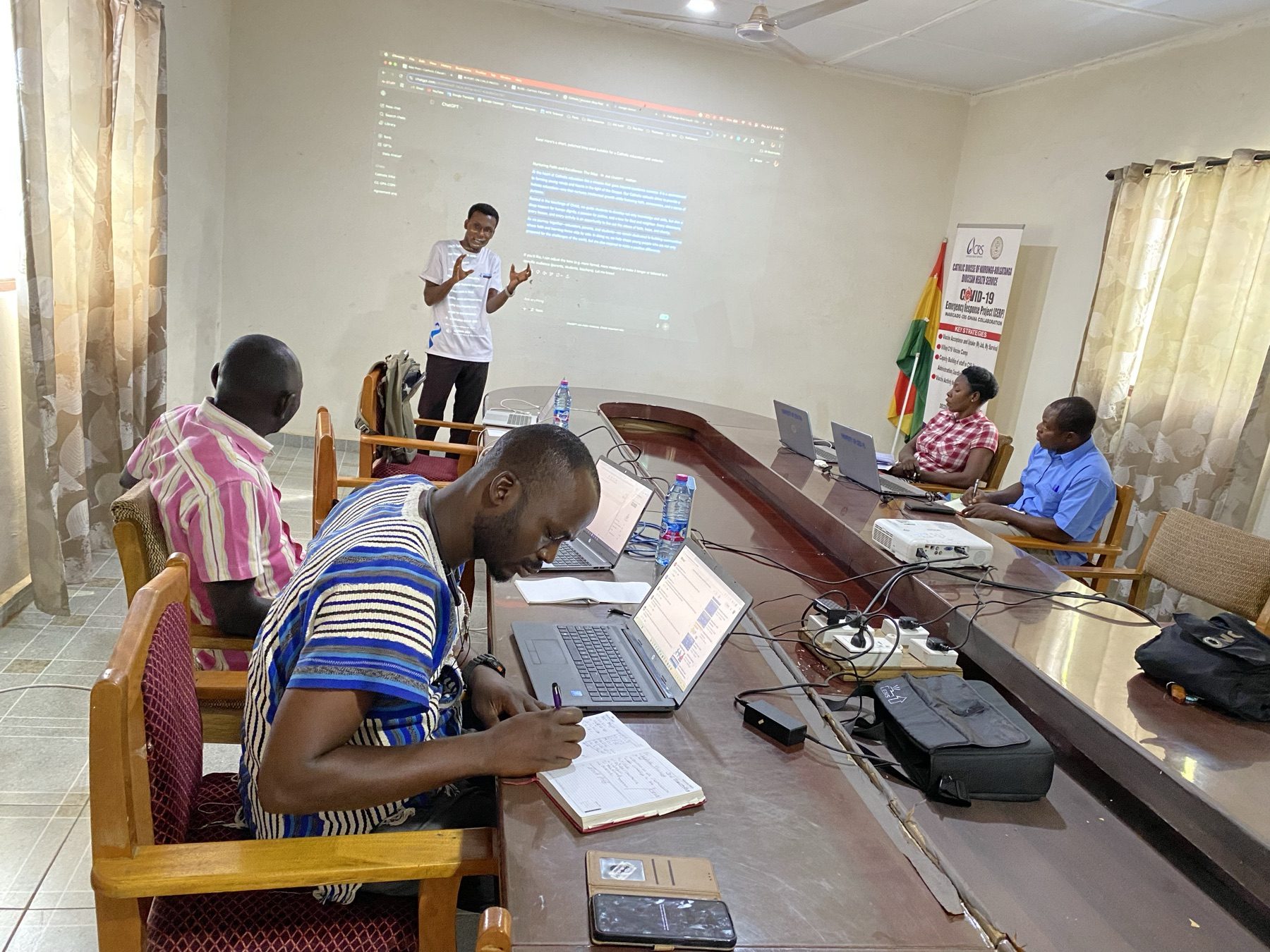
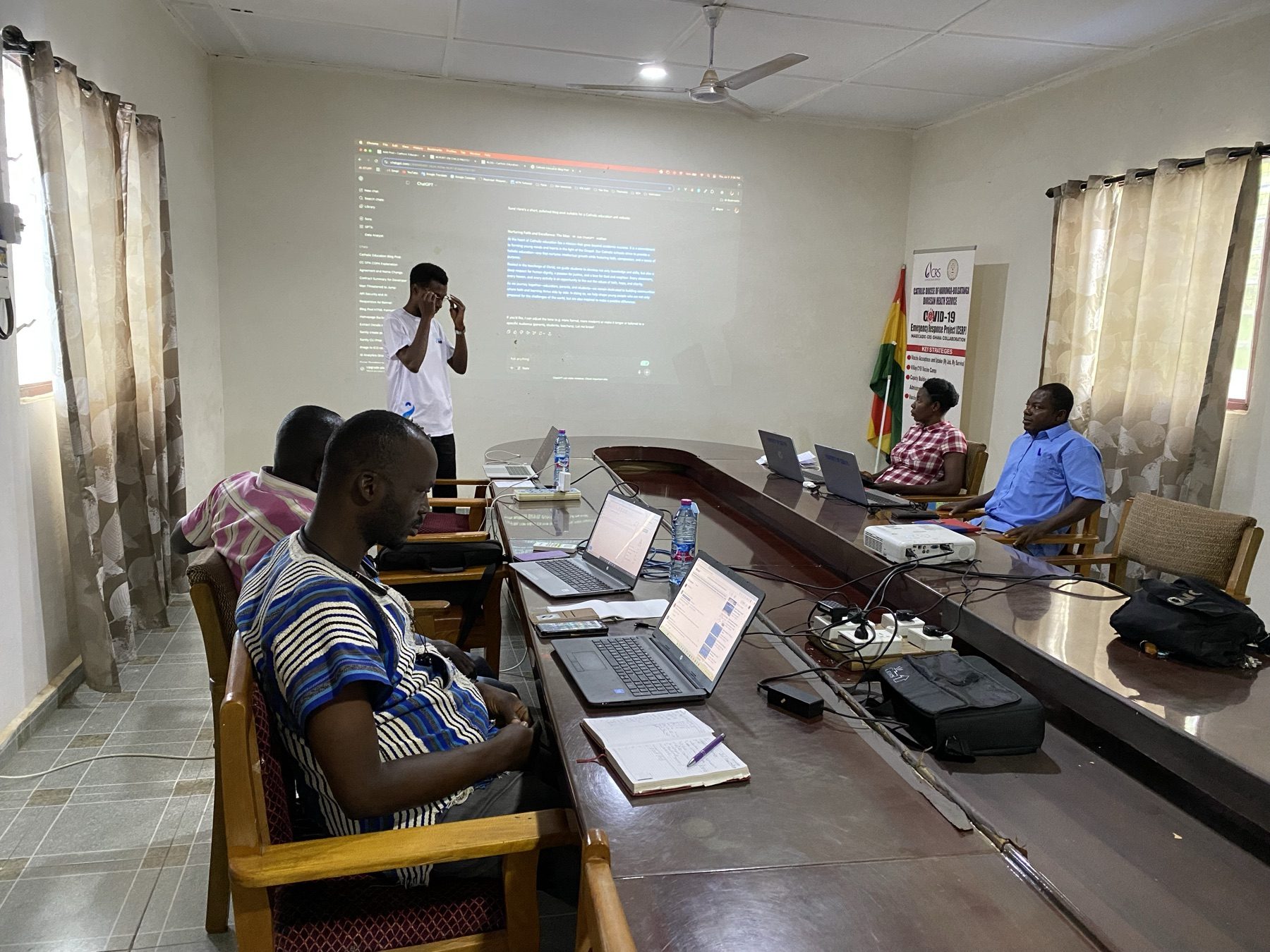
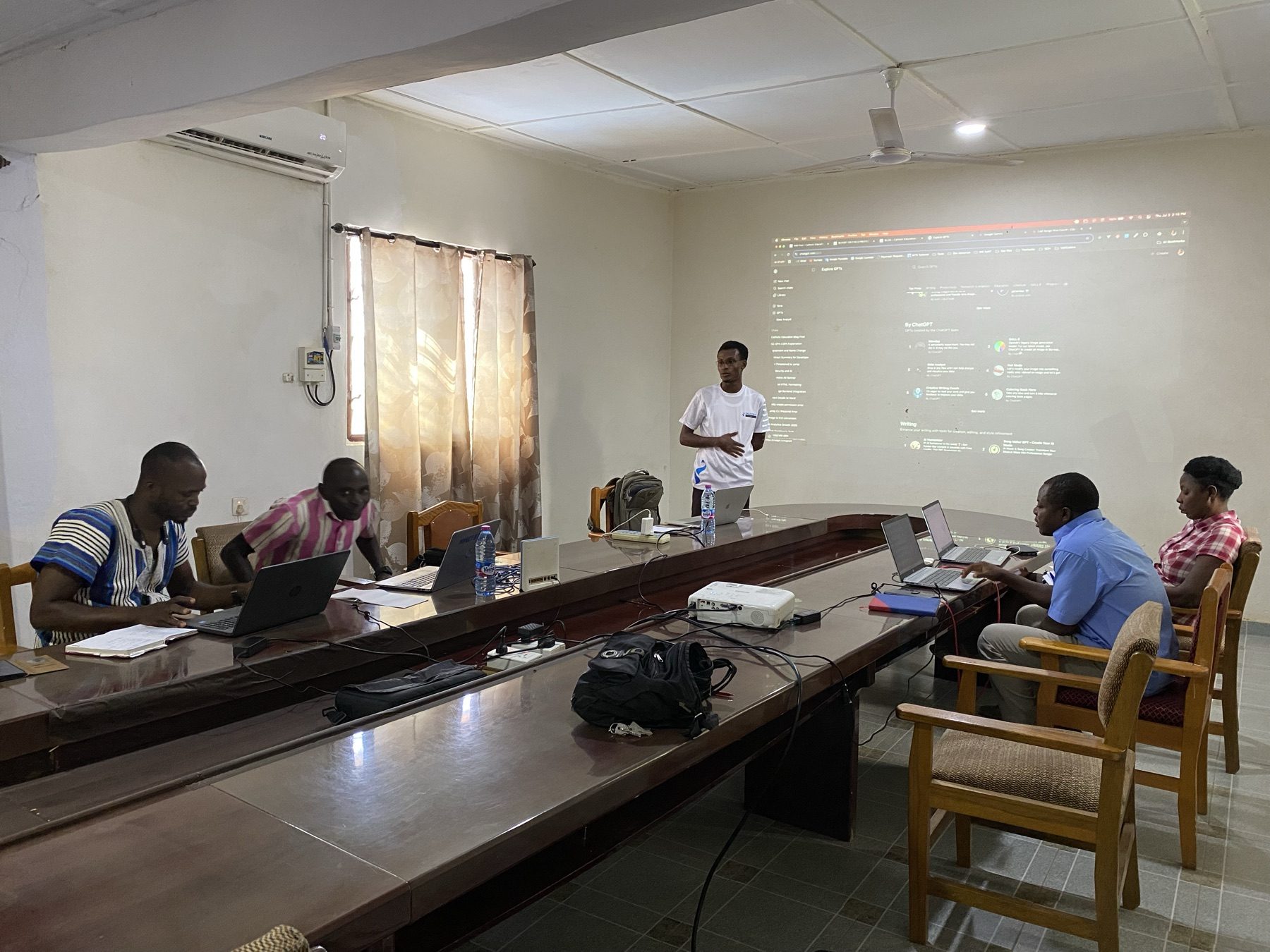
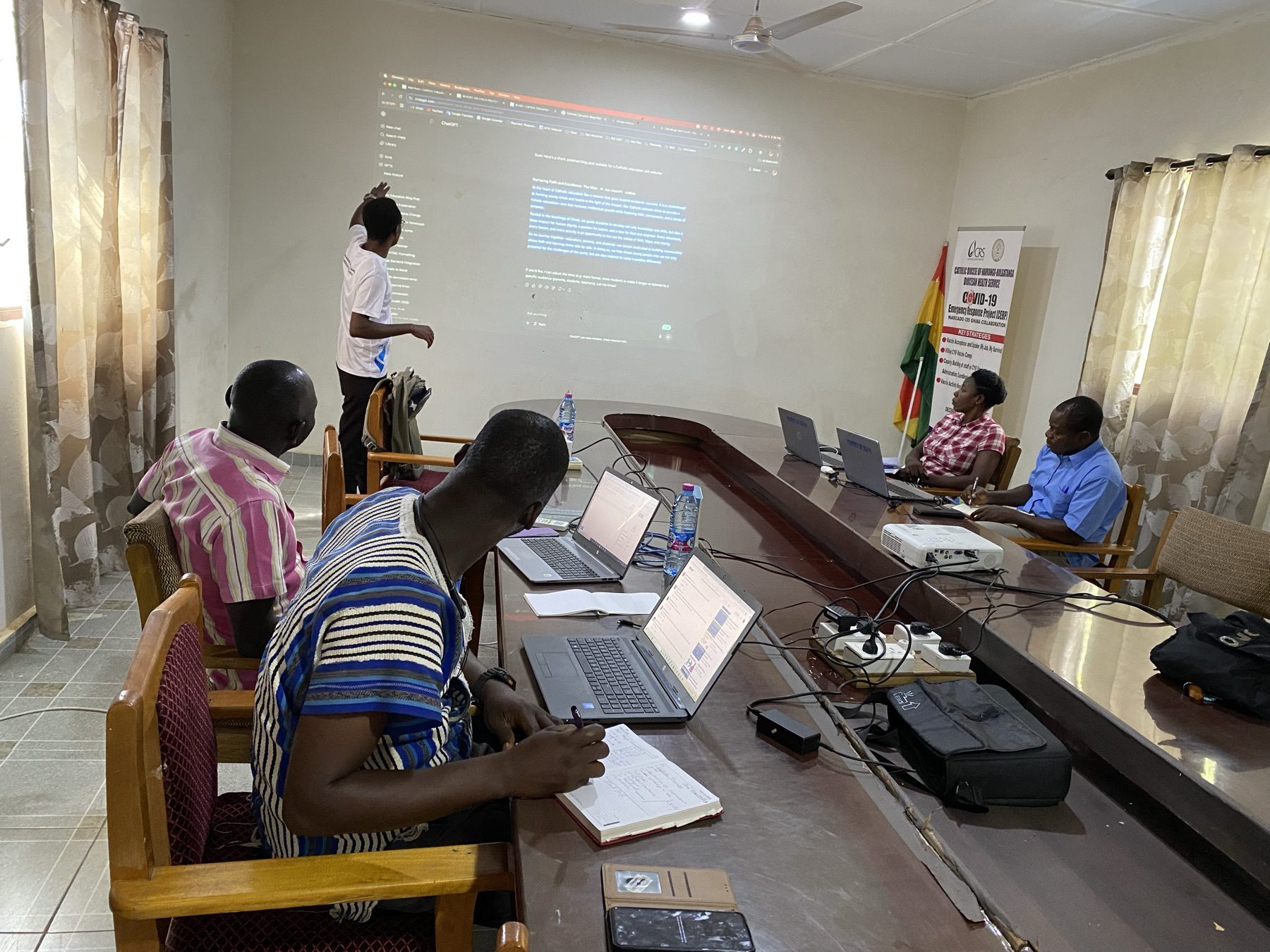
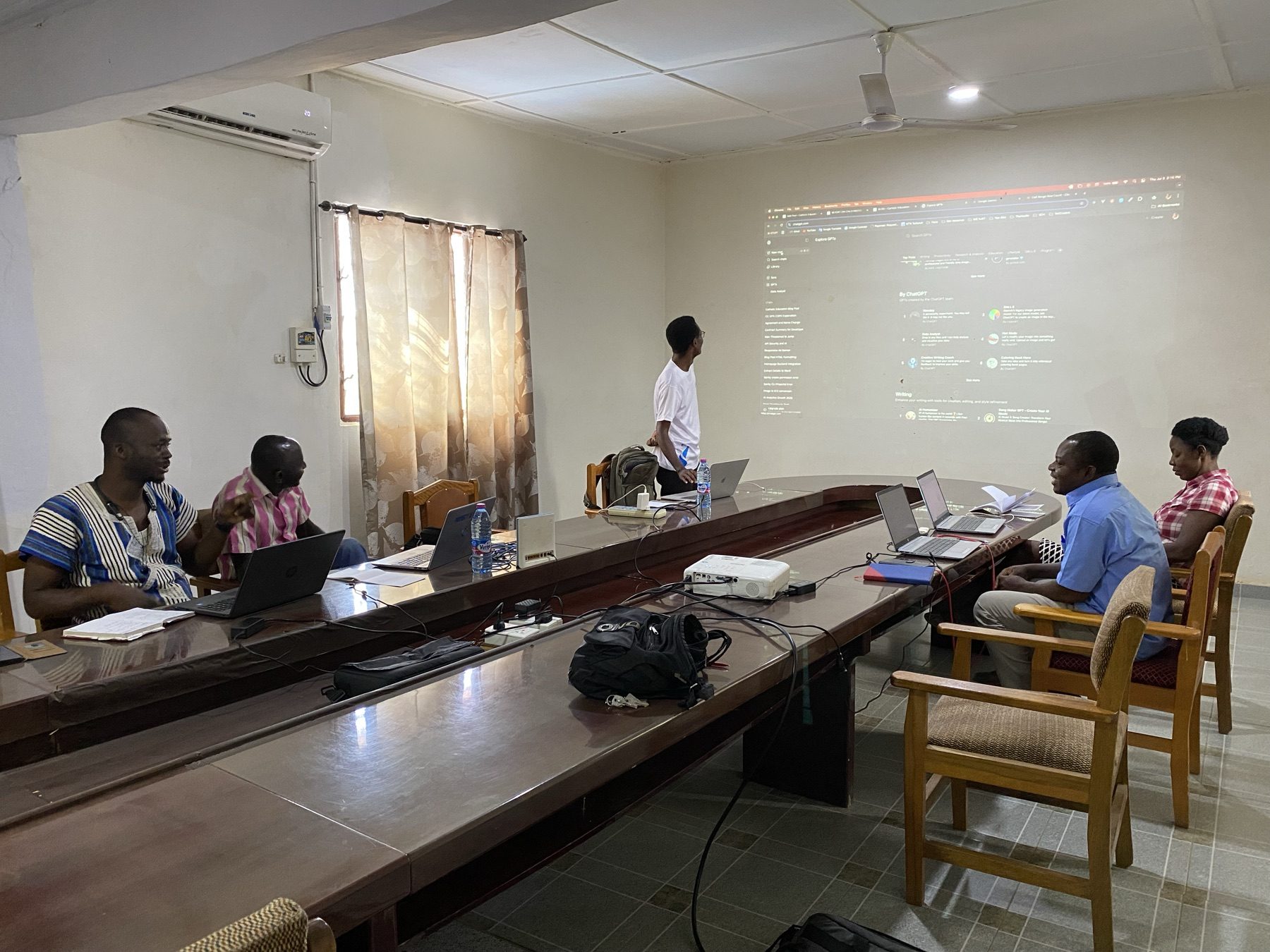
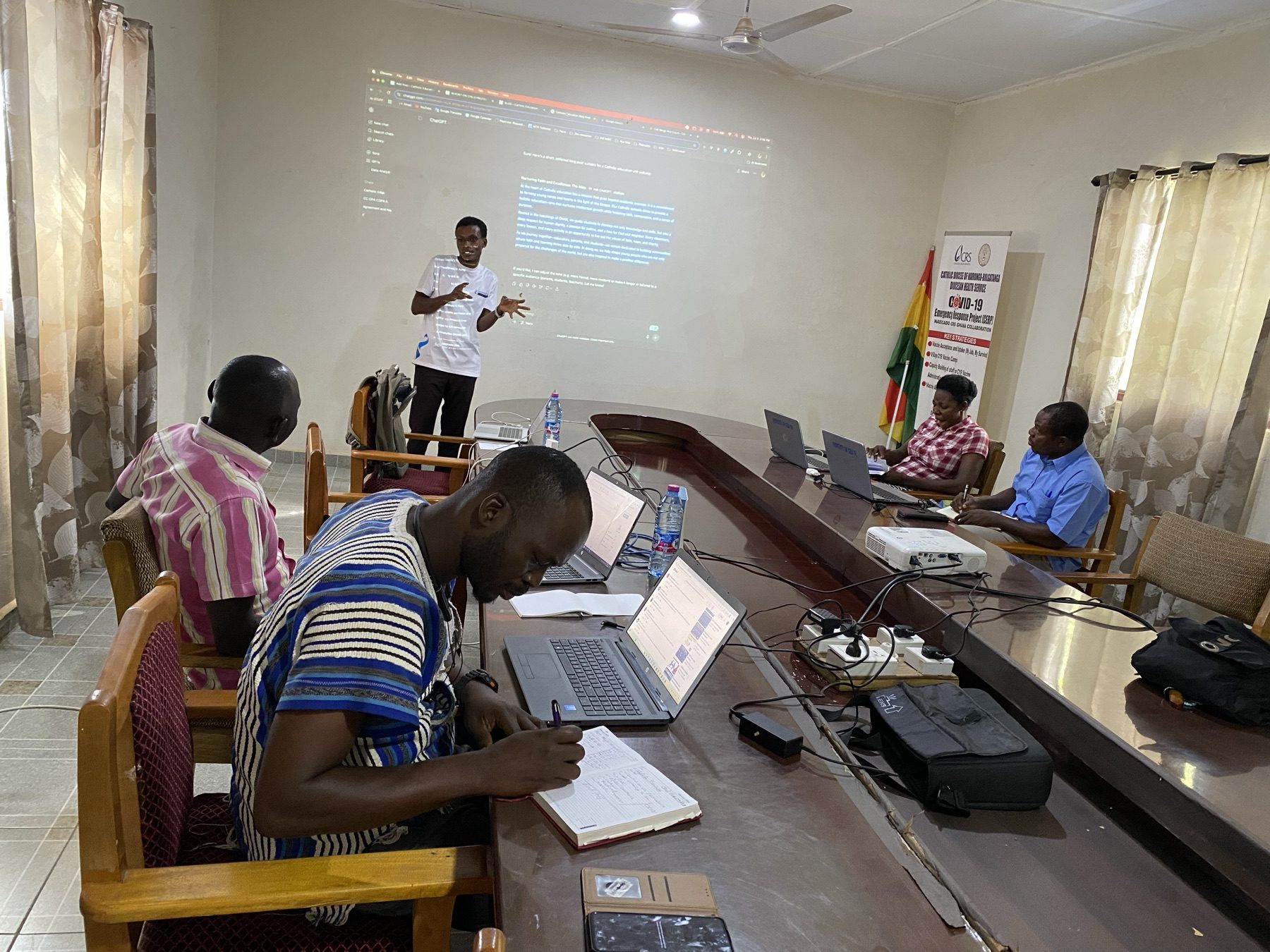
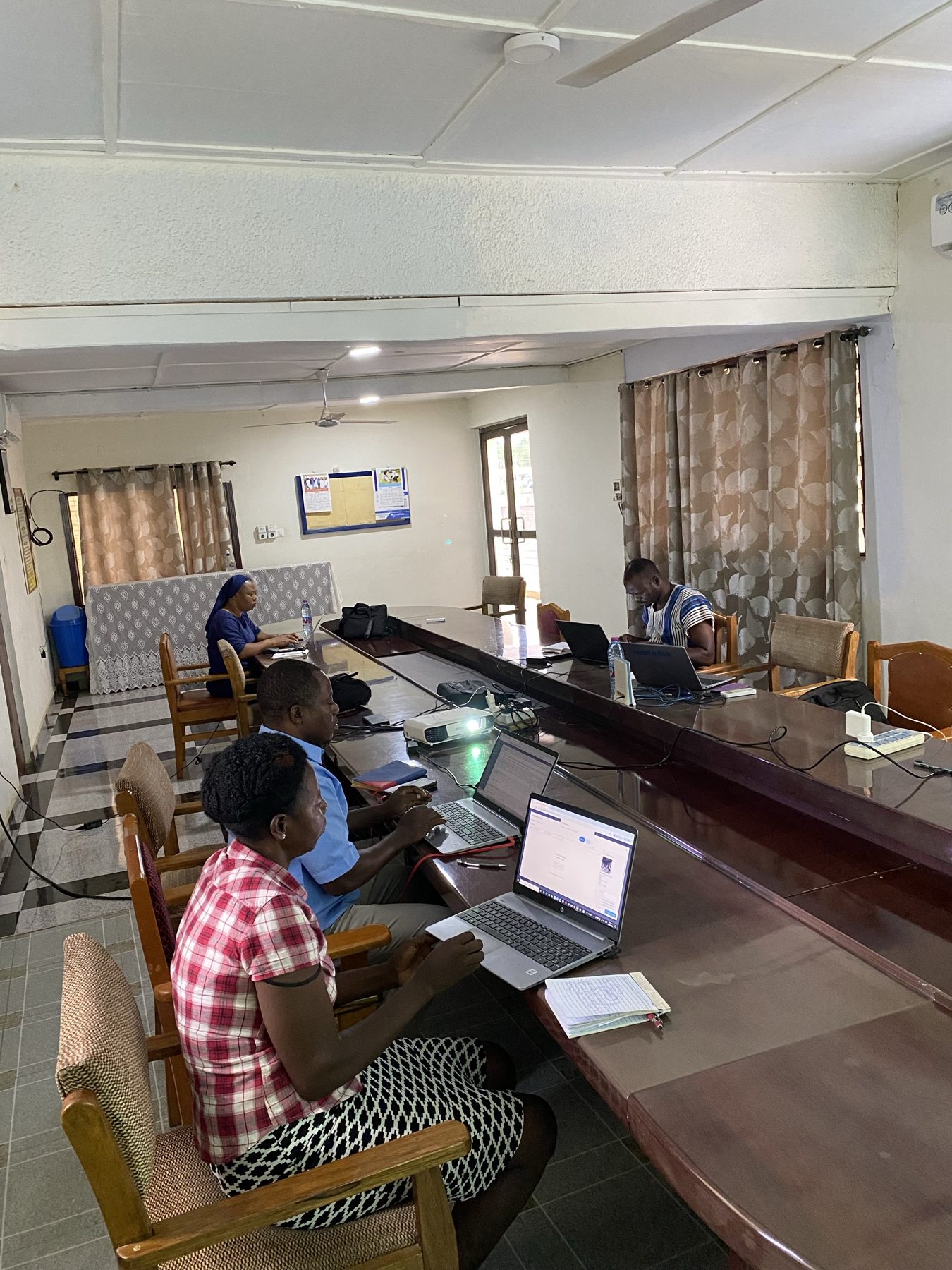
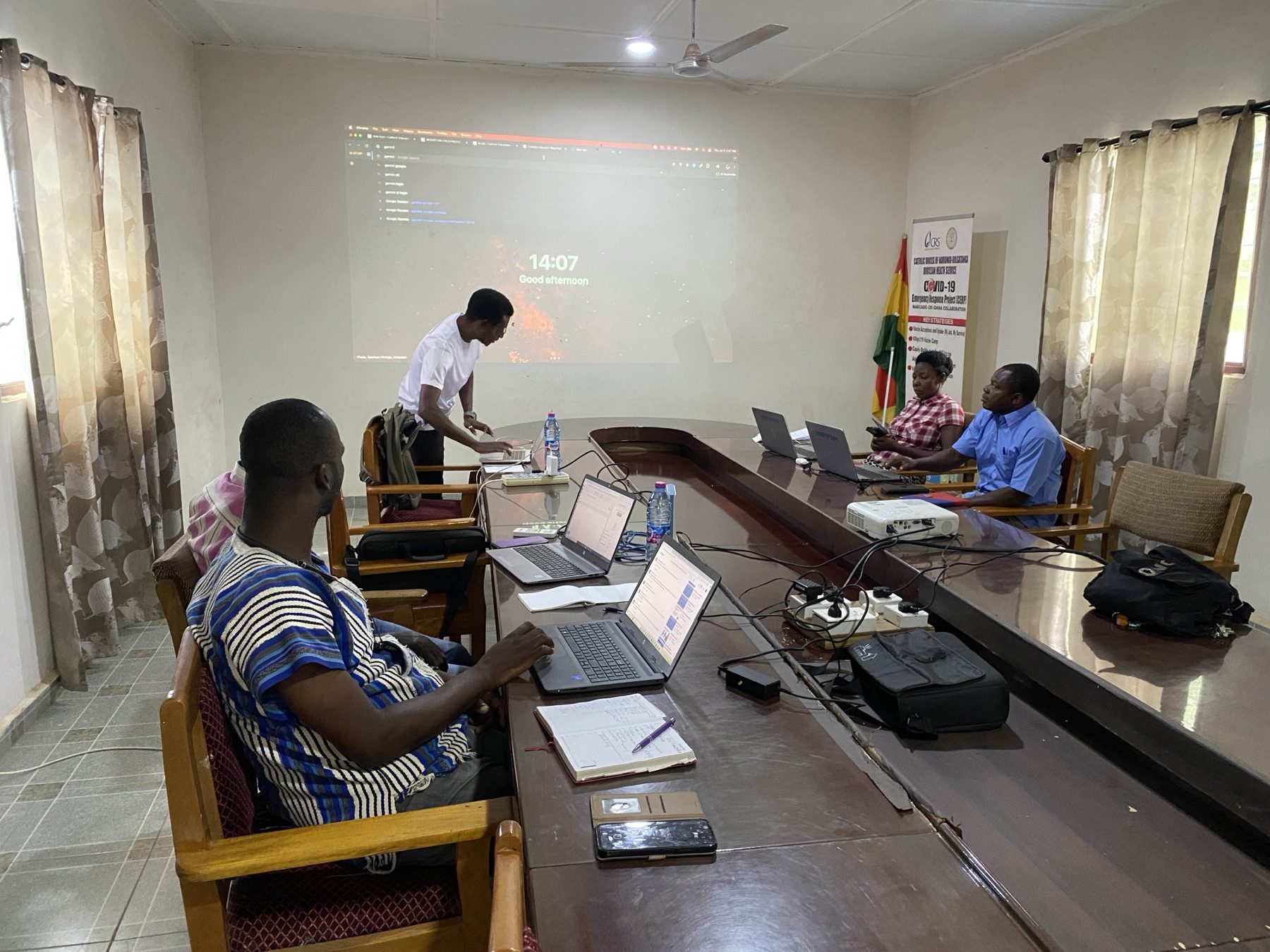
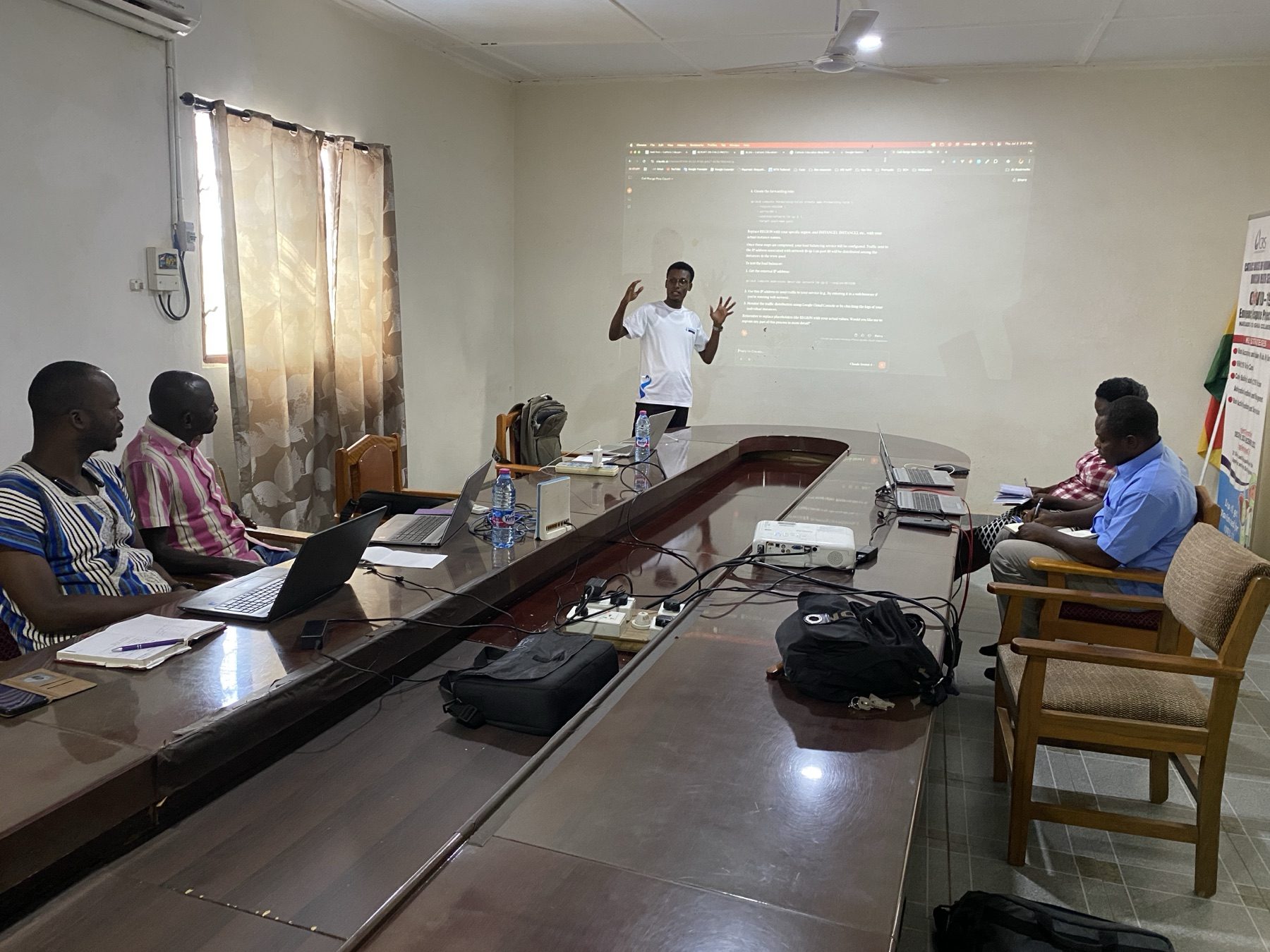
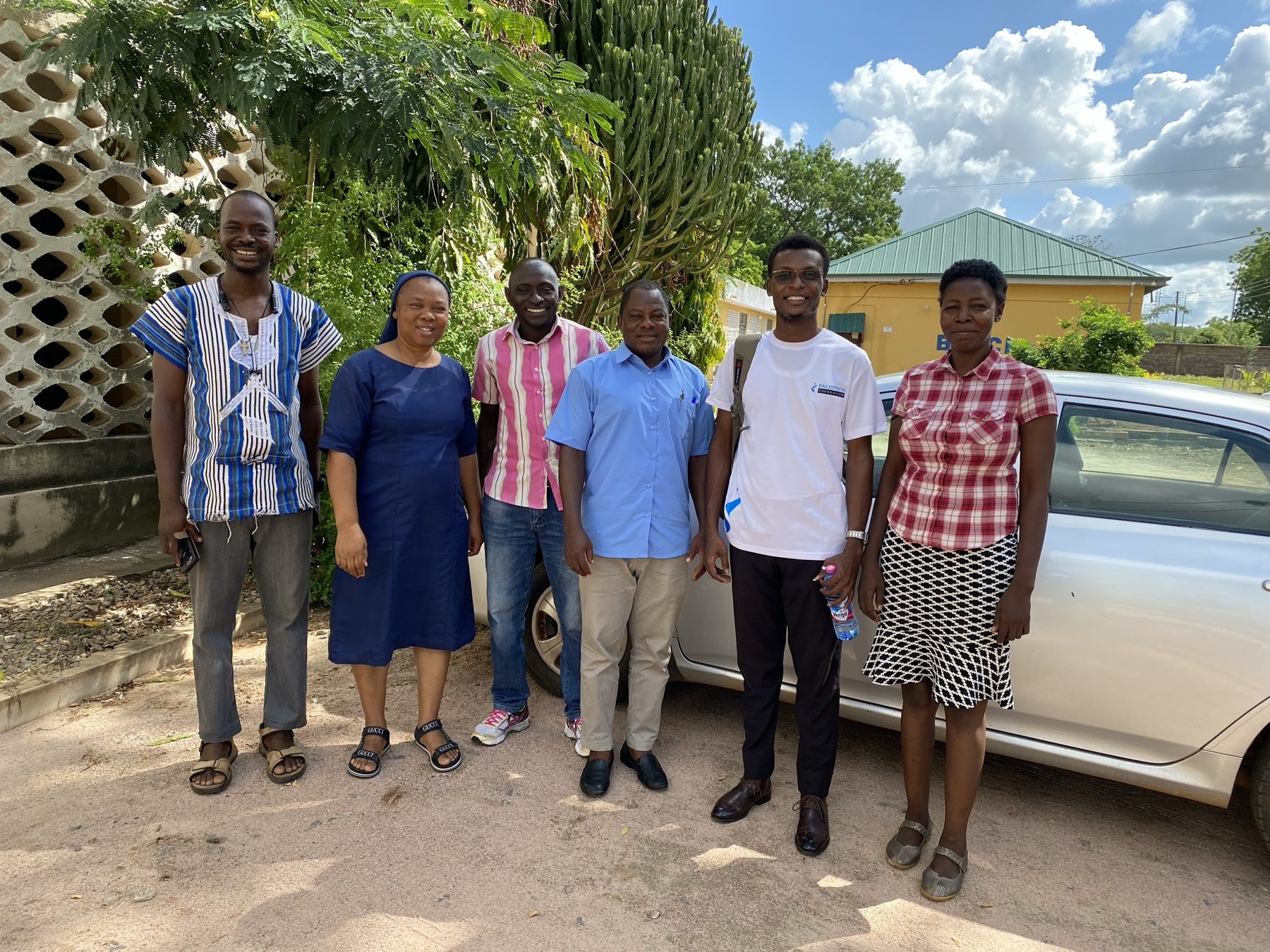
Before any of the rebuild work, in July 2025, we ran a practical training session for the Unit's staff, at no cost. It covered the two things they had asked for: using AI responsibly for everyday work, and managing website updates with confidence.
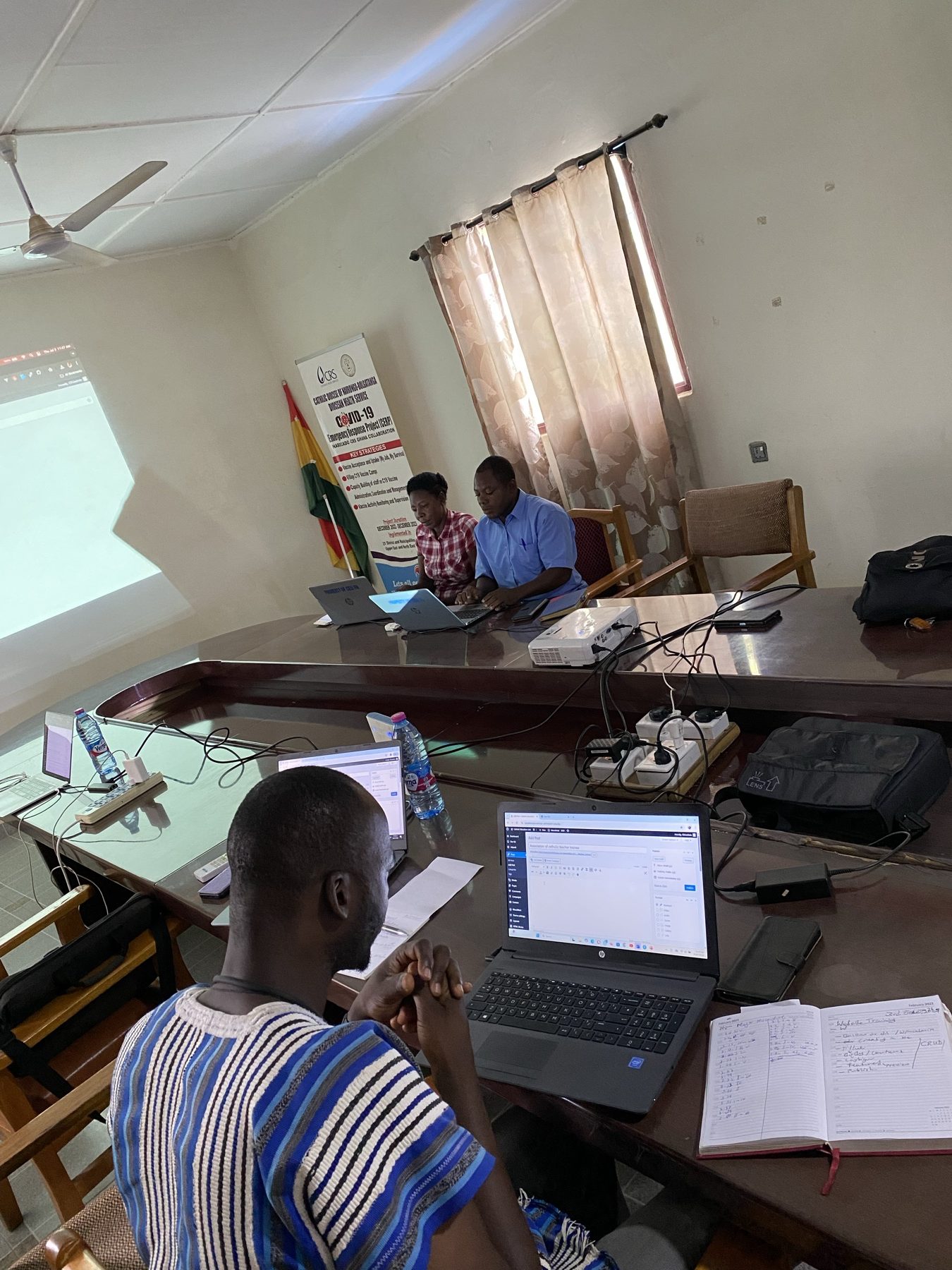
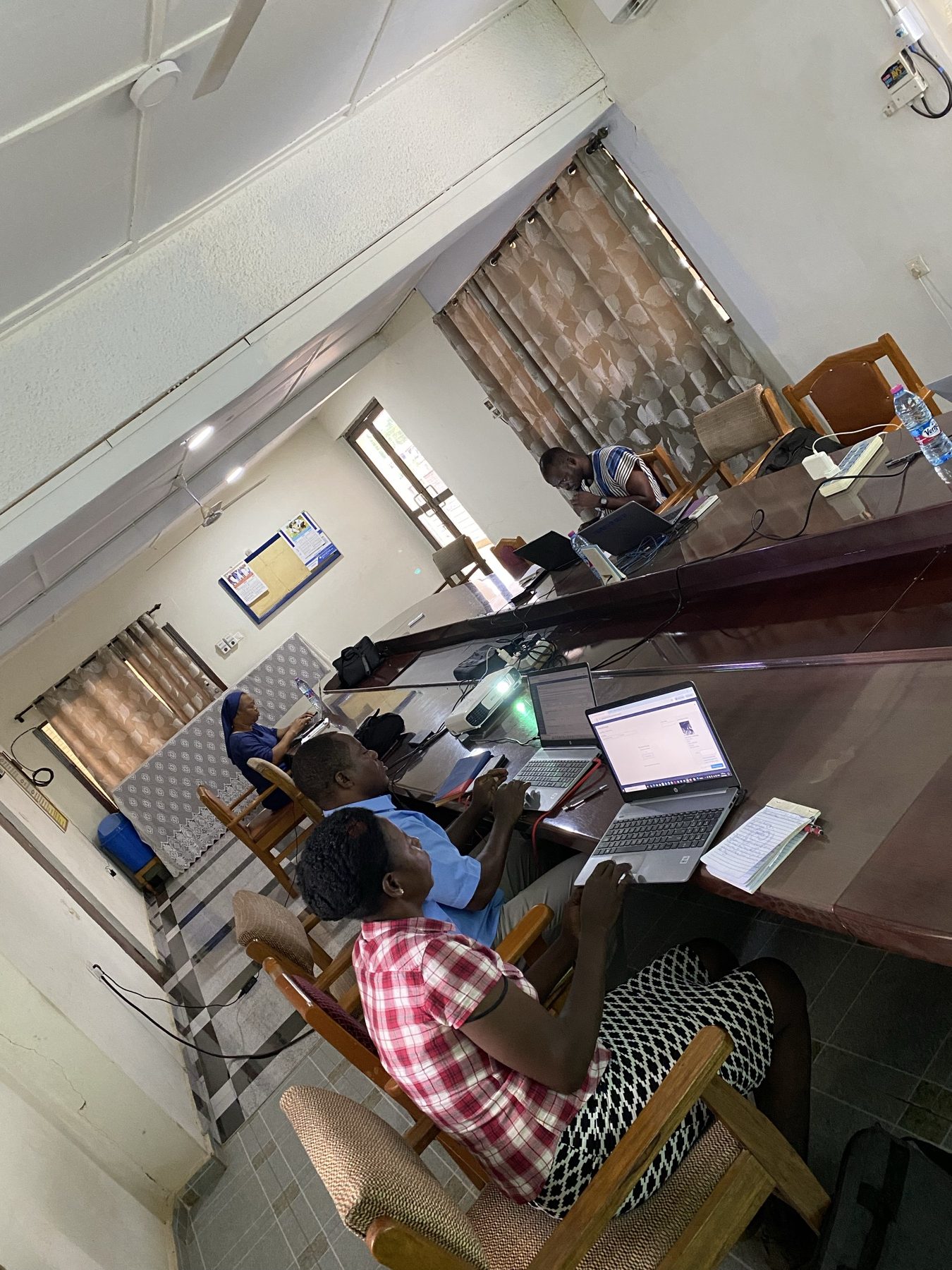
The session was hands-on rather than a demonstration - staff worked on their own machines and their own content, so what they practised was the work they would go back to.
- Practical AI prompting for routine correspondence and planning
- Content planning and staff productivity
- Updating website content and pages
- Handling photographs and other media without breaking page layouts
- Keeping the Unit's digital presence current without depending on outside support for every small change
What that session surfaced was the limit of the old website: staff could be trained on it, but it could not be maintained comfortably no matter who was at the keyboard. The rebuild followed from that, and the new admin area was designed around what the training had shown people actually needed to do.
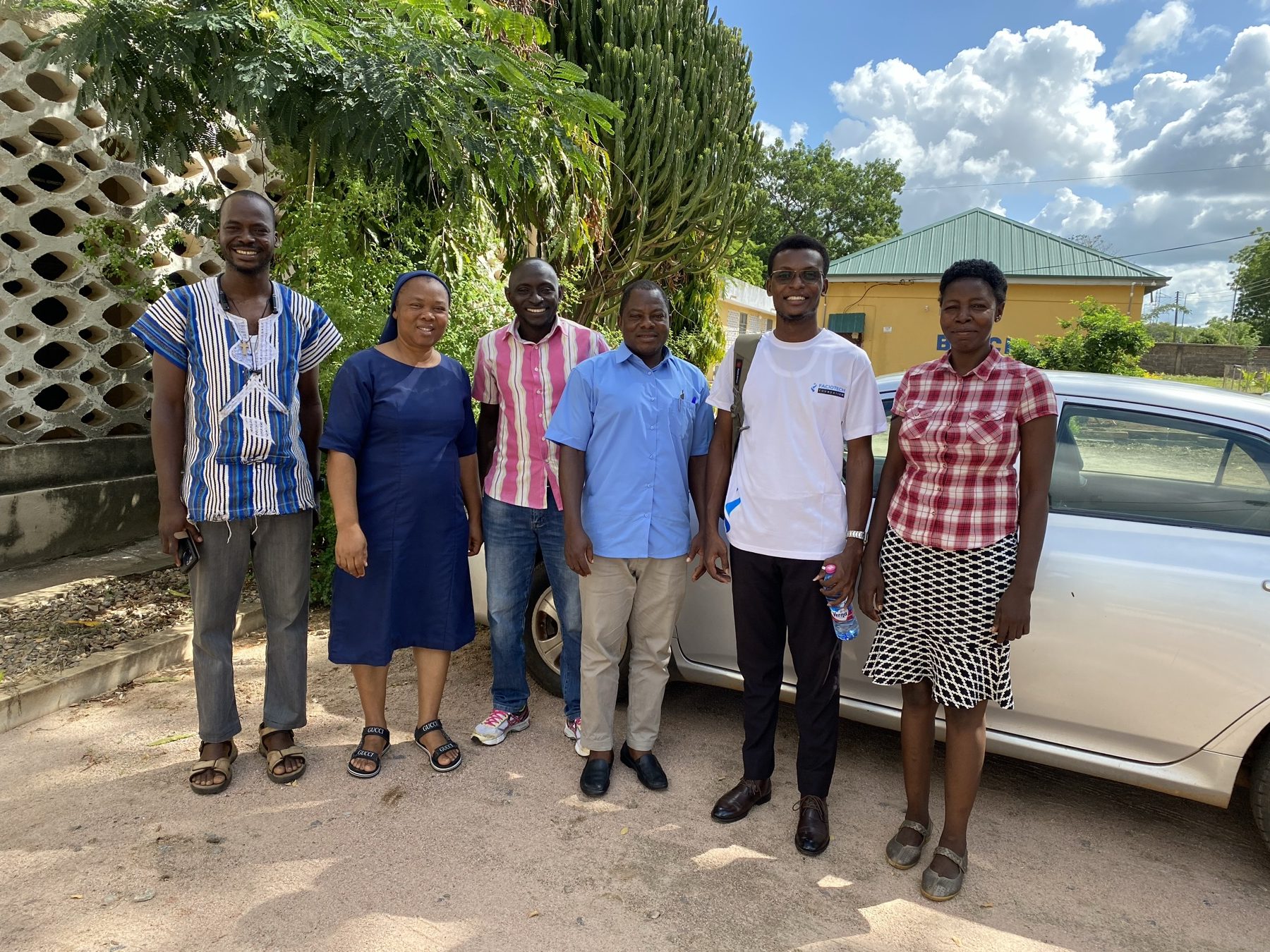
AI and Website Management Training for the Catholic Education Unit of Navrongo-Bolgatanga Diocese